

📰 3 THINGS TO CHECK OUT
Using UX Knowledge to Inform AI-Generated Design
- Senior Experience Specialist Tony Alicea points out that as AI takes on more interface generation, UX deliverables are changing. Instead of creating documents for humans to interpret, designers will increasingly curate the context that helps AI generate products aligned with user needs.
- That means research findings, interaction principles, user models, glossaries, and design systems become more than documentation — they become reusable context that guides AI-generated designs, prototypes, and code across an organization.
- When AI is being used by anyone, Alicea says, the instinct might be to gatekeep who's doing the work — "but that’s counterproductive. The more practical goal is to ensure that everything AI generates, no matter who prompts it, is informed by an organization's knowledge of its users and design standards."
Designing for an AI Forward World: Lessons from Uber's Design Leader
- In this interview, Uber’s VP and Global Head of Product Design, Joanne Wu, explains how the company is moving from scattered AI experimentation toward team-wide adoption using internal examples, structured training, peer mentorship, and visible participation from design leaders.
- One of the most concrete shifts is from static mockups to AI-assisted, code-based prototypes. Designers can work with real data, explore edge cases and localization, align teams earlier, and get closer to what ultimately ships.
- Uber addresses a common adoption barrier — not knowing what to use AI for — through internal show-and-tells and advanced “design builders” who help colleagues apply the tools to real work. As Wu puts it, people do not need to “love AI” — but they do need to recognize that the way they work has changed.
When Everyone is Talking, But No One is Aligned
- Reshmika Dhandapani, Product Manager at Motorola Solutions, shares how a cross-product integration project changed the way she thinks about stakeholder management. Despite constant meetings, updates, and documentation, teams still built different interpretations of the same product because no one had aligned on what success actually looked like.
- Her take: before execution begins, align on the end-to-end user experience, ownership, dependencies, and success criteria — not just the technical requirements. That shift helped her team reduce ambiguity and rework, and it cut hours of recurring meetings.
- "Stakeholder management is about making sure different teams can still build the same thing, even when they're building different parts of it."
💜 PORTFOLIO SPOTLIGHT
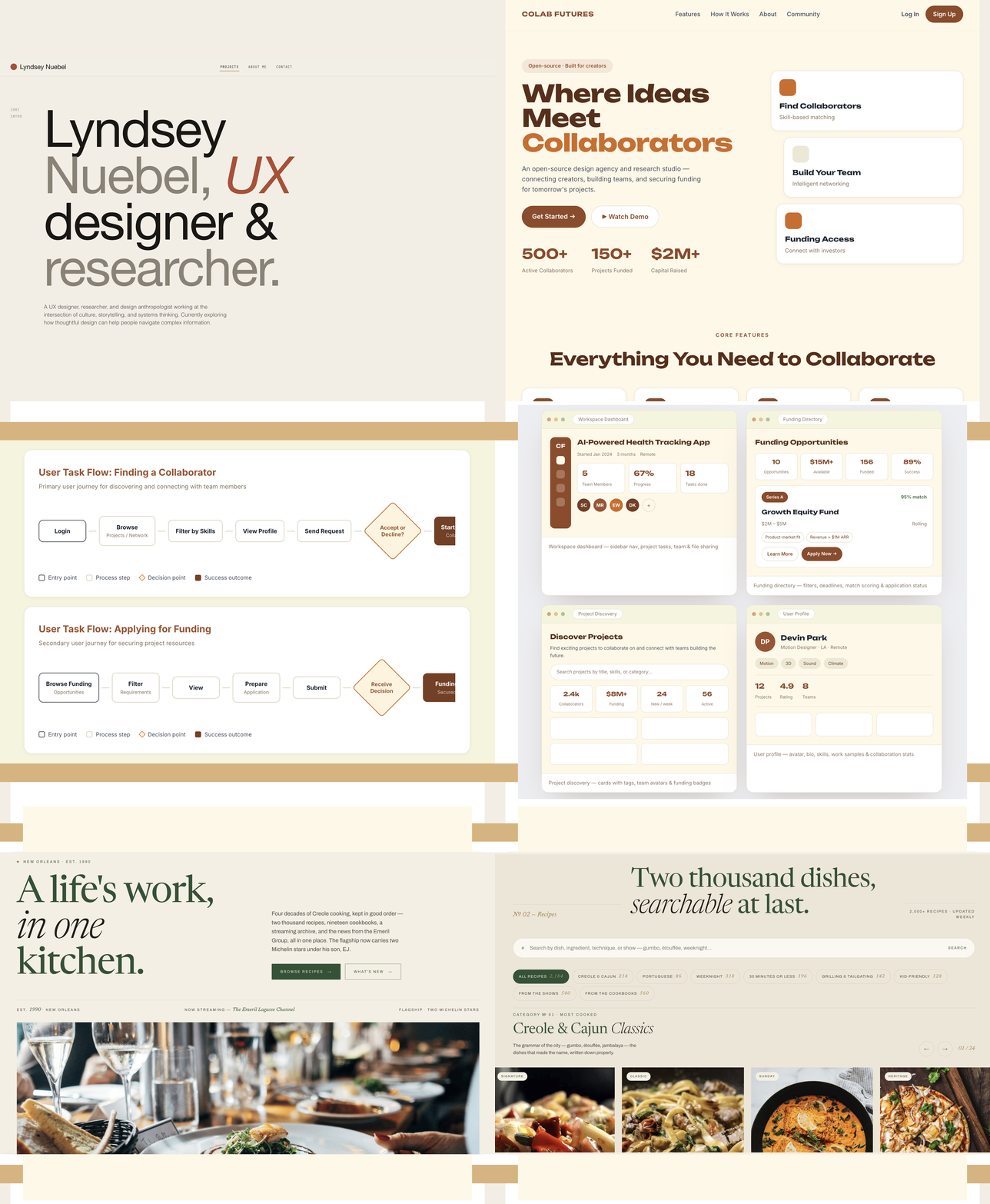
Lyndsey Nuebel describes herself as "a designer with an anthropologist's habits" — and her portfolio proves it. Drawing on a background in archaeology, anthropology, and hospitality, she approaches every project as an opportunity to uncover patterns in human behavior before translating those insights into thoughtful digital experiences. Rather than jumping straight to polished screens, her case studies emphasize research synthesis, systems thinking, and clear design rationale, making her process just as compelling as the final work.
💡 INTERESTING STUFF...
- Design Proposals for the New Euro Banknotes
- Forget Frictionless. Shoot for Meaningful.
- World Cup 2026: A New Era of Football, AI, and User Experience
- Durable Human Experience Patterns in the AI Era
Being able to make something isn’t the same as understanding what you’re making. — José Torre, designer
🧪 FROM THE LAB
AI for UX Design Launches August 7
One of our most popular courses, AI for UX Design launches next week. Over four weeks, you'll learn both practical strategies to integrate AI across the full UX workflow and the judgment to know when and how to use it effectively. Save your seat in the cohort now.
Building Technical Fluency Through Vibe Coding Camp
HubSpot Senior Product Designer Karla Ruiz recently enrolled in Vibe Coding Camp to understand how her team could use AI-assisted tools to improve their design workflow. The course changed her perspective on design, collaboration, and the future of AI. Read her story.
The next Vibe Coding Camp cohort starts August 11.
Both AI for UX Design and Vibe Coding Camp are included in our AI Product Design Certification, a comprehensive learning path covering the end-to-end AI product design process.


.webp)

.png)