





Nancy Nguyen, a UX researcher at ServiceNow, knew design was something she wanted to pursue, but after graduating from UC Berkeley, she realized that without a portfolio, formal UX training, or guidance, the path forward would be a challenge. Through UX Academy, and the structure, mentorship, and community it provided, Nancy gained the confidence and guidance she needed to turn her curiosity into a clear direction—and launch her career.
What were you doing before UX Academy, and what motivated you to pursue a UX education?
Before Designlab, I had graduated college—I went to UC Berkeley, and then I majored in cognitive science because design was always in the back of my head. But I did some consulting work during college, and I didn't ever really have the chance and opportunity to break into design, just because the barriers were really high. You had to have a portfolio, you had to know all the methods, you had to know how to use software like Figma. [Berkeley] would offer UX/UI courses, but it's just so popular, I could not get into any of those classes.
And so it wasn't until after I graduated, and I was getting no luck at all [in the job search]. My heart wasn’t into the marketing and consulting jobs I was applying for, and I felt like interviewers could kind of see that. And so I joined Designlab. I was fortunate enough to have the means and the time to do it, and I think it was really pivotal in my career. I feel like I needed that push—like the deadlines and the formal training to really build my confidence, because that's what really affected me in that one-year gap between college and Designlab. And Designlab gave me that. And I am very, very grateful for it.
I needed the push—the deadlines and the formal training to really build my confidence…and Designlab gave me that.
How was your experience in the program overall?
I think there's two really valuable things that I got from Designlab. One was the mentorship—just having that personal time with my mentor, and being able to ask whatever I wanted—and also just having a friend throughout that journey. And then the second was design critiques. I didn't realize until after I got into my career that you really need to be good at presenting your designs and being able to storytell and just generally communicate. And that taught me the most, and I wish I had gone to more of them. But overall, [the program] gave me the opportunity to get my job, especially as someone starting out with no UX experience, no portfolio, and no projects.
[My mentor] had a student in the past that worked for Riot Games, which is my dream company, and he connected us, and she ended up giving me a tour of their headquarters in Los Angeles!
How was your experience with your mentor in UX Academy?
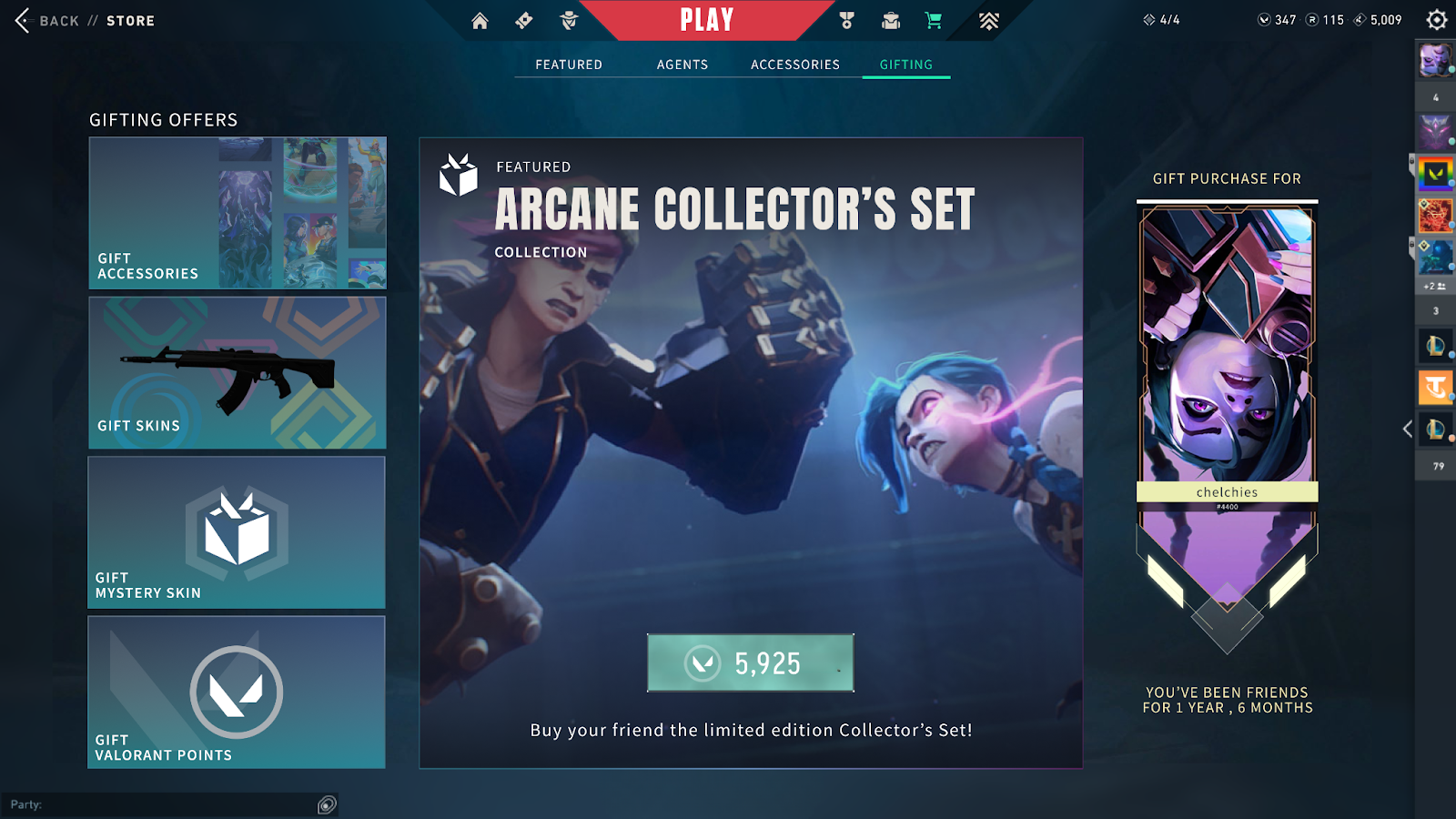
My mentor, Darold Davis—we have a lot of things in common. I like that with Designlab, if you feel like your mentor and you have different expertise and you don't align, you're allowed to change mentors. But I just got lucky being assigned someone like Darold. You know, we both play video games, and we both talk about K-pop! My dream is [to work in] the gaming industry, and he knows so much about the gaming industry. So he sent me a bunch of articles about games. Also, he had a student in the past that worked for Riot Games, which is my dream company, and he connected us, and she ended up giving me a tour of their headquarters in Los Angeles!
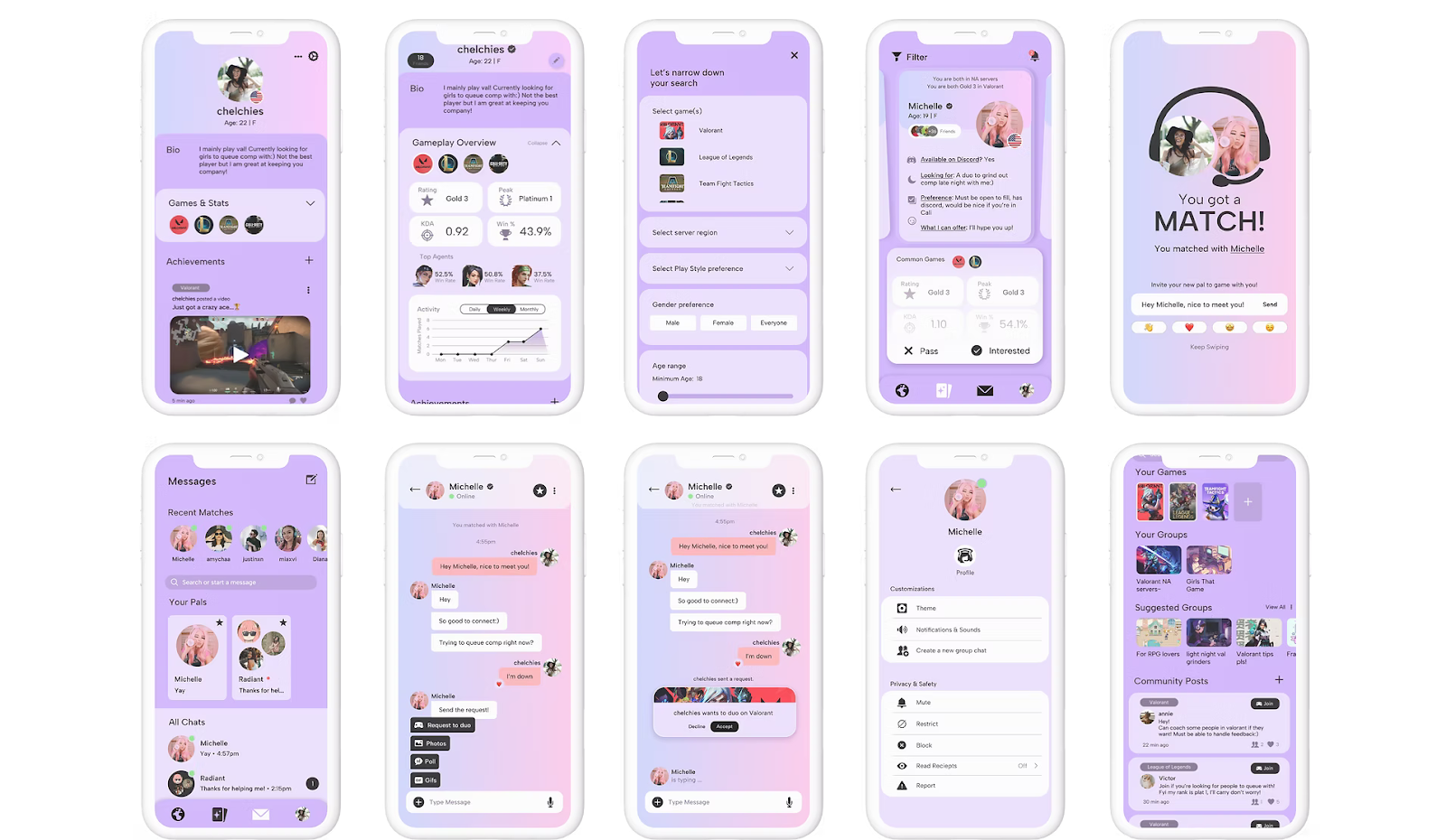
How did you find the community and group crits?
One of my biggest fears with Designlab—because it's an online bootcamp—was that I wouldn't be able to interact with others more. But with the way that it's formatted, we have our Discord and then we have office hours and design critiques—anyone can message anybody and just talk to one another. I felt like I was meeting people who were at the same stage of life, and so it was a lot less lonely, and some of them I've kept in contact with even after Designlab. So I like that. Even though I did graduate, there are chances to stay connected with alumni or current and previous students. So the community was much better than I thought.
My mentor Darold really helped me grind mock interviews—it was the most tremendous help.
How was your experience with Career Services and the job search?
My mentor Darold really helped me grind mock interviews. It was the most tremendous help. Because I feel like once you get that interview, they already know your skills, and they know you have what it takes, but it's essentially a vibe check. They just want to see if you work well with others, if you articulate yourself well, things like that. And so he really helped me practice and show the best parts of my projects.
Tell us about your current role in UX. What are you doing now?
I had spent almost a year in Designlab, and it wasn't until March 2025 that I graduated, and then I started interviewing, and I got my internship [at ServiceNow] that summer. So when I was an intern, there was a program for UX research, so I had applied and I had gotten in. We were a cohort of, like, eight or nine, full of different roles, but I was the only UX researcher there, and basically what I did was just inform designers, PMs, and engineers on problems that ServiceNow customers, partners, or employees have and work together with them to build experiences that bring value for our end users.
So now, I'm the one developing research plans, choosing the right methodologies, and then analyzing that data to present to stakeholders, which are mostly designers that want to know which path to follow. With UX research, I get to really dive deeper into the meat of our problems to inform designers, so it's a perfect mix of data and design for me. So I really like it.
I’m not gonna lie, entering tech and software was so, so difficult at first! I was not knowledgeable about anything when it came to SaaS companies or how cloud platforms worked. So I was really lucky with ServiceNow. One thing they do that’s really great is prioritizing those early in their career, and so their intern programs were full of workshops and courses, and we also got a mentor. There's also a bunch of social events to really integrate you into the company. And so the culture there is really amazing because I think we have this value to win as a team, and so everyone—even those outside of your team, your manager, your mentor—they all want to help and support you. ServiceNow and their program went above and beyond my expectations.
Do you have any advice for anyone thinking about making a career switch into UX?
I think one thing that worked for me, was that [interviewers] asked a lot of questions about AI. It's kind of the new big thing now, and so one big piece of practical advice is to integrate AI into your projects in some way, whether you're a researcher or designer. You can use AI to summarize your interviews, or maybe ChatGPT or CoPilot to do data analysis. Or as a designer, I know a lot of people are starting to play with Figma Make and using AI to design prototypes. And so I think showing that within your process—that you're willing to experiment, and that if you fail, what you learned about it—will really differentiate you and give you something to bring to the table.
One big piece of practical advice is to integrate AI into your projects in some way…it will really differentiate you and give you something to bring to the table.
Another thing: usually in interviews, they'll ask you to present a case study. I chose a project that I was super passionate about. It was a video game app. And interviews were my worst fear, but the whole time, because I was talking about gaming, it just felt really fun. I think the interviewers can see the passion and delight you have talking about something, and I think because of that, they're more engaged with you, and that's what you want. You want them to remember you. And so it was really easy to have more of a conversational interview, rather than a Q&A. So focus on projects that you're passionate about, and I think that will take you a lot farther than you think.
And then lastly, give yourself grace. I was really hard on myself and dedicated so much of my time to design work and my career that I dropped a lot of my hobbies, and I spent less time with friends, and that negatively impacted me. I think it's extremely critical to be kind to yourself and take time to nurture your passions and craft. When you're good at something, you kind of bring that confidence to your career too. That's probably the secret to how I pushed away my imposter syndrome and fueled my confidence.


.webp)

.webp)


